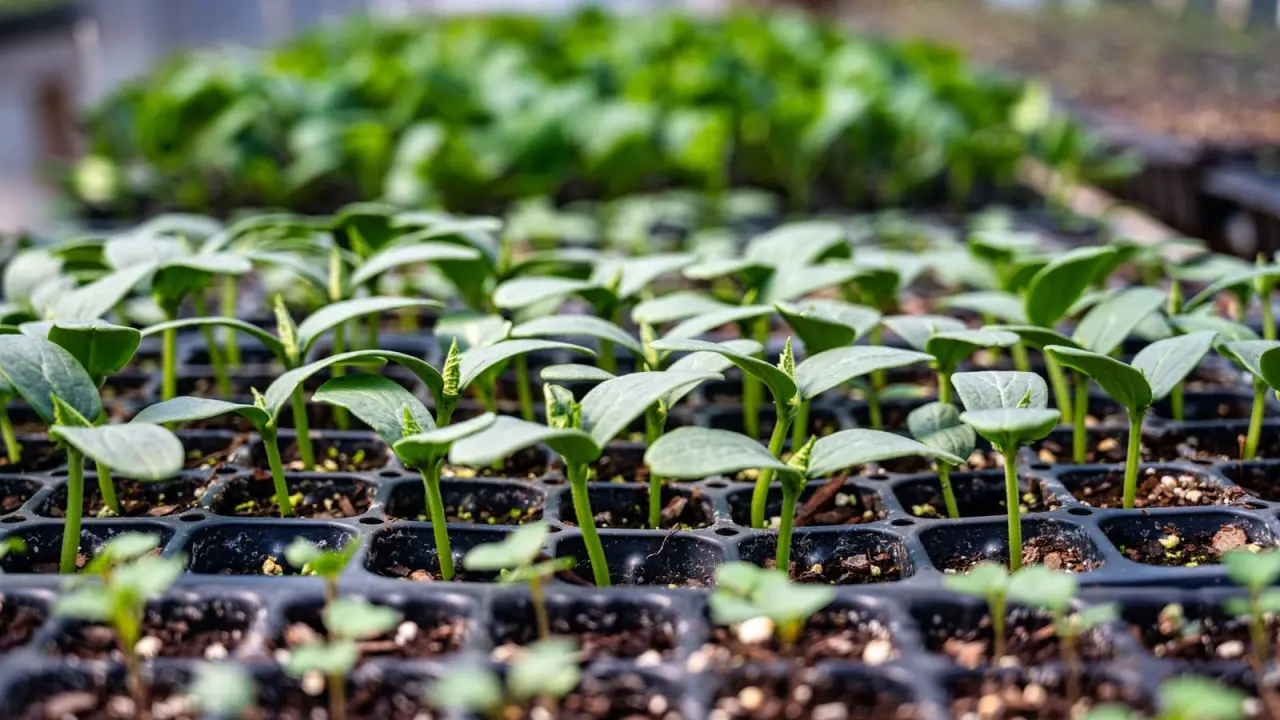
Not sure when to plant in Georgia? Your georgia growing season calendar has two main planting windows, March to May and mid-July to September, shifted a few weeks by region.
If you would rather buy than grow, start with our guide to farmers markets in georgia.
| Item | Value |
|---|---|
| Spring planting window (middle Georgia) | March to May |
| Fall planting window (middle Georgia) | Mid-July to September |
| Harvest of spring plantings | June and July |
| Harvest of fall plantings | October to December |
| Spring planting in extreme south Georgia | Up to 2 to 3 weeks earlier |
| Spring planting in north Georgia | 1 to 3 weeks later |
These figures come from UGA Extension’s Vegetable Garden Calendar, Circular 943, reviewed March 10, 2026. Dates and advice can change, so check the source before you rely on them.
How does Georgia’s growing season work?
UGA Extension says you can plant or harvest something from your garden almost all year. The two major planting periods are spring (March to May) and fall (mid-July to September), according to the Extension calendar.
Spring plantings are harvested in June and July, while fall plantings are harvested from October to December. January and February are for planning, which means seed catalogs, garden plots and getting ready for a productive season.
The dates rest on long-term average dates of the last killing frost in spring and the first killing frost in fall. Because every year differs, the circular tells you to use your own judgment about advancing or delaying each job.
Where do these dates apply across the state?
The monthly dates are for the typical day and month in middle Georgia, which the circular describes as a belt across the state from Columbus through Macon to Augusta. Move your dates as you travel north or south:
- Extreme south Georgia: spring planting dates can be as much as 2 to 3 weeks earlier, and fall planting dates as much as 2 weeks later, according to Circular 943.
- North Georgia: spring planting dates are 1 to 3 weeks later as you progress northward through the mountain counties, and fall planting dates are about 2 weeks earlier, according to Circular 943.
The coast shows how local the timing can be. Glynn County Extension says the last frost there usually occurs around the end of February, and it points gardeners to the Georgia Weather – Automated Environmental Monitoring Network for local climate data.
January and February: plan, test and start seeds
January is for planning, and the circular’s checklist is practical:
- Make a garden plan and consider a few new varieties alongside old favorites.
- Buy enough quality seed for two or three plantings to lengthen the season of production.
- Take soil samples to your county Extension office for analysis.
- Apply lime, sulfur and fertilizer according to the soil test results and vegetable requirements.
- Get beds or seed boxes ready for tomato, pepper and eggplant.
For sizing, the circular allows about 1/10 acre of garden space for each member of the family. It suggests 100 lb of fertilizer for each 1/10 acre, in a 5-10-10 or 6-12-12 analysis depending on your soil test and crops.
February is when seed boxes go in. Peppers and eggplants take 8 weeks to grow from seed to transplant size, while tomatoes take 6 weeks, and seedlings move to individual containers once they form their third set of true leaves.
The circular also lists early plantings of your choice for February:
- Carrots, collards and lettuce
- Mustard, English peas and Irish potatoes
- Radishes, spinach and turnips
Winter and early spring plantings belong on a ridge, or raised bed, for better drainage and earlier soil warm-up.
March to May: spring planting gets going
March brings second plantings of quick crops such as turnips, mustard, radishes and spring onions. UGA Extension’s Circular 943 says to thin plants when they are 2 to 3 in. tall to give them room to grow.
According to UGA Extension’s Colquitt County posting of the calendar, rows for warm-season vegetables should be ready for the last week of March or the first week or two of April, as weather permits. Harden off transplants by placing them outdoors in a sheltered spot a few days before planting, and watch for cutworms, aphids and red spider mites.
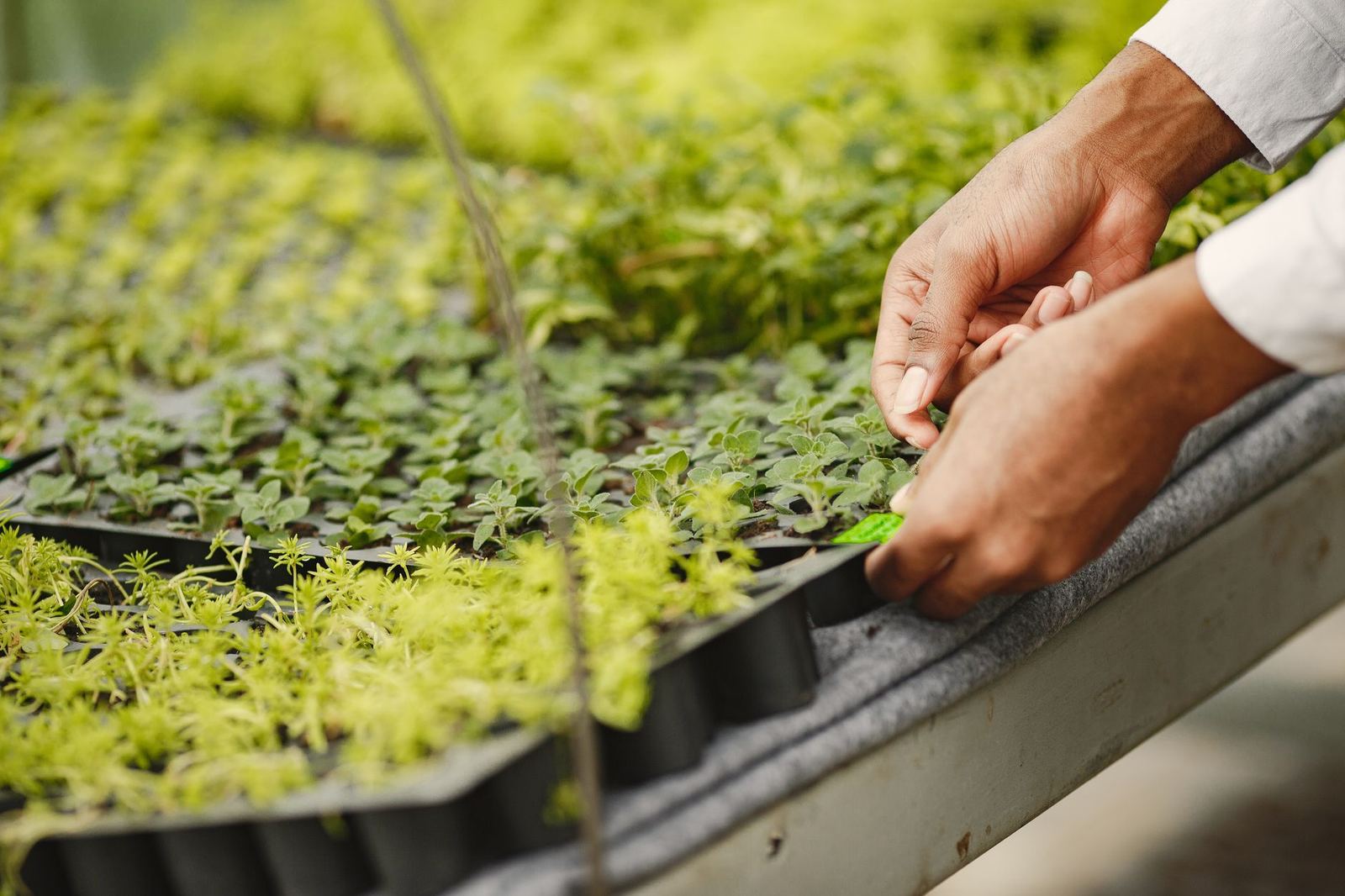
April is the main window for warm-season crops, which the same calendar lists as frost-tender:
- Snap, pole and lima beans
- Cantaloupe, watermelon and cucumbers
- Sweet corn, okra and field peas
- Peppers, eggplant, tomatoes and squash
Plant tall crops such as okra, pole beans and corn on the north side of other vegetables to avoid shading, and plant two or more rows of corn for better pollination. Make a second planting of snap beans, corn and squash within 2 to 3 weeks of the first.
May calls for third plantings of snap beans, corn, squash and lima beans, plus weed control and mulch. The calendar suggests staking or trellising a few tomato plants and keeping a log book of problems and successes so you can plan better next season.
Summer and fall: harvest, then replant
The spring harvest arrives in June and July, and the fall window opens in mid-July for middle Georgia. That overlap is why the circular encourages you to buy seed for more than one planting.
Fall plantings are then harvested from October to December. Gardeners in north Georgia should aim for fall dates about 2 weeks earlier, while extreme south Georgia can run as much as 2 weeks later. The June-to-December entries are not summarized here, so read the full circular for those monthly tasks.
Using the calendar when you shop for local food
A gardener’s calendar also helps you read the season as a shopper, because frost and weather shape what is ready and when. Treat any calendar as a guide and ask growers what is ready this week.
To see how the state labels local products, read about what is georgia grown. For one specific market, see our page on the georgia state farmers market.
Frequently asked questions
When is the spring planting window in Georgia?
Show answer
For middle Georgia, UGA Extension’s Circular 943 gives March to May. Spring dates can be as much as 2 to 3 weeks earlier in extreme south Georgia and 1 to 3 weeks later in north Georgia.
When does fall planting start?
Show answer
The calendar gives mid-July to September for middle Georgia. Fall planting dates are about 2 weeks earlier in north Georgia and can be as much as 2 weeks later in extreme south Georgia.
When should I start tomato seeds?
Show answer
The calendar lists seed boxes in February. Tomatoes take 6 weeks to reach transplant size, while peppers and eggplants take 8 weeks.
Do these dates fit coastal Georgia?
Show answer
Not exactly, because the calendar is built for middle Georgia. Glynn County Extension says the last frost there usually occurs around the end of February, so check your own county’s frost data.