Staring at a bag of market produce and unsure what to cook? Farmers market meal prep works best when you eat delicate items first, store sturdy ones properly, and wash produce just before use.
This guide is part of our wider look at local food systems, and it focuses on what happens after you leave the stall.
| Item | Guidance |
|---|---|
| Pre-cut melon on the trip home | Cooler or insulated bag at 40°F or below |
| Perishables left out, especially in warm weather | No more than 1 to 2 hours |
| Berries after purchase | Refrigerate; do not rinse before storage |
| Tomatoes, avocados, bananas, citrus, onions | Can be stored at room temperature |
These figures come from Washington State University Extension and University of Florida IFAS Extension. Guidance can change, so check the source before you rely on them.
Start with a plan before you shop
A shopping list made ahead of time helps with meal planning, staying on budget and avoiding food waste, according to University of Florida IFAS Extension. The same source suggests getting there early for the freshest items and walking the whole market before you buy anything.
Before you leave home, pack the basics:
- A shopping list built around meals, not just ingredients.
- Sturdy reusable bags, plus an insulated bag or cooler if you plan to buy cold or frozen foods.
- A plan for the trip home, so perishables are not sitting in a hot car.
Buying what is in season helps too. University of Florida IFAS Extension notes that in-season produce is often fresher, tastier and more affordable.
Get your haul home safely
Perishable items should not be left out more than 1 to 2 hours, especially in warm weather, per University of Florida IFAS Extension. If you have errands, bring a cooler with ice packs and keep produce out of direct sunlight.
Whole produce is safe to display and purchase, but pre-cut items such as cantaloupe and watermelon should be kept cold by the vendor. Washington State University Extension advises carrying pre-cut items home in a cooler or insulated bag at 40°F or below, then refrigerating them promptly.
Meat needs the most care. South Dakota State University Extension says frozen meat should be kept at 20°F or colder, and that in late summer completely frozen, wrapped meat stays frozen about 1½ to 2 hours in a cooler. Make that stall your last stop and move the meat to a freezer as soon as you can.
When you pack the bags, layer heavier items at the bottom and lighter ones on top so soft produce does not get crushed.
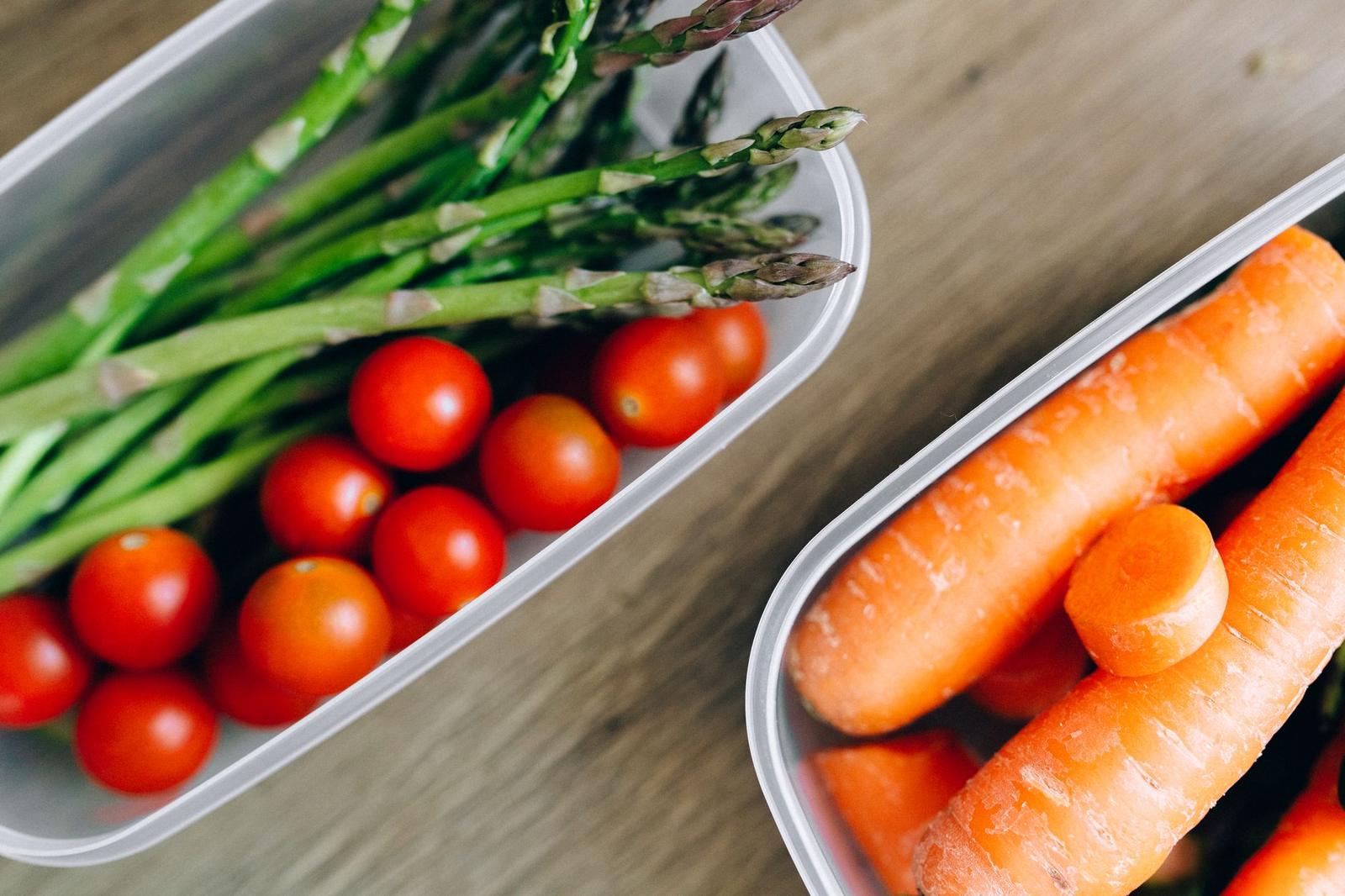
Sort and store by how fast things spoil
Berries are the first thing to sort. Washington State University Extension says strawberries, blueberries and raspberries should be refrigerated after purchase, and that you should avoid rinsing them before storage because moisture promotes bacterial growth and spoilage.
Leafy greens and mushrooms also need the refrigerator. Their high moisture content makes them prone to mold and bacteria, according to the same source.
A simple sorting rule keeps the week organized:
- Refrigerator: berries, leafy greens, mushrooms and any pre-cut fruit.
- Counter or pantry: tomatoes, avocados, bananas, citrus and onions, which University of Florida IFAS Extension says can be stored at room temperature.
- Freezer: frozen meat, and anything you bought in bulk and will not use soon.
Keep ethylene in mind as well. Bananas and avocados release ethylene gas while ripening, which can affect the ripening of other fruits and vegetables stored nearby, so give them their own spot.
How should you plan the week’s meals?
Fresh market food is often at peak ripeness and has a shorter shelf life, so University of Florida IFAS Extension recommends making a plan to use your purchases throughout the week. A use-it-first order is the easiest way to do that.
- Right after the market, eat or cook the delicate items: berries, leafy greens, mushrooms and pre-cut fruit.
- Early in the week, build dinners around the produce that needs the fridge but is less fragile, and use up ripe avocados and tomatoes.
- Mid-week, turn to the sturdier items from your room-temperature group, such as onions and citrus.
- Late in the week, cook or freeze whatever is left. For bulk buys, the same source suggests long-term preservation methods.
Shelf-stable extras fit anywhere in the plan. If a jar of honey is in your basket, our guide on is local honey better goes deeper on that purchase, and anyone browsing a winery stall can read about muscadine wine georgia before buying.
How do you wash and prep produce without spoiling it?
Wait to wash. Iowa State University Extension and Outreach says to wash produce just before use, not before storing, because washing ahead of time makes it spoil faster.
When you are ready to cook, rinse produce under cool, running water. Rub briskly to clean surfaces and dry it with a clean cloth or paper towel.
A few kitchen habits protect the whole week of cooking:
- Wash your hands with soap and warm water for at least 20 seconds before preparing produce, as Iowa State University Extension and Outreach advises.
- Use a designated cutting board for fresh produce so raw meat or poultry juices do not spread pathogens to it.
- Wash reusable grocery totes frequently in the washing machine or by hand with hot, soapy water.
Choose produce that is free of bruising and spoiling at the stall. Skip anything with broken skin, slime or soft spots.
Frequently asked questions
Should I wash berries when I get home?
Show answer
No. Washington State University Extension says to refrigerate berries after purchase and avoid rinsing them before storage. Rinse them under cool, running water just before you eat them.
How long can market food sit out?
Show answer
Keep the window short: the guidance from University of Florida IFAS Extension is a limit of 1 to 2 hours out of the cold, and warm days make that limit matter more. If you have other stops, carry ice packs and head for the fridge first.
Which market items can stay on the counter?
Show answer
According to University of Florida IFAS Extension, tomatoes, avocados, bananas, citrus and onions can be stored at room temperature. Keep them away from heat and light sources.
Is pre-cut fruit from a stall safe to buy?
Show answer
It can be, if the vendor keeps it refrigerated or on ice. Washington State University Extension says to carry it home at 40°F or below and refrigerate it promptly.