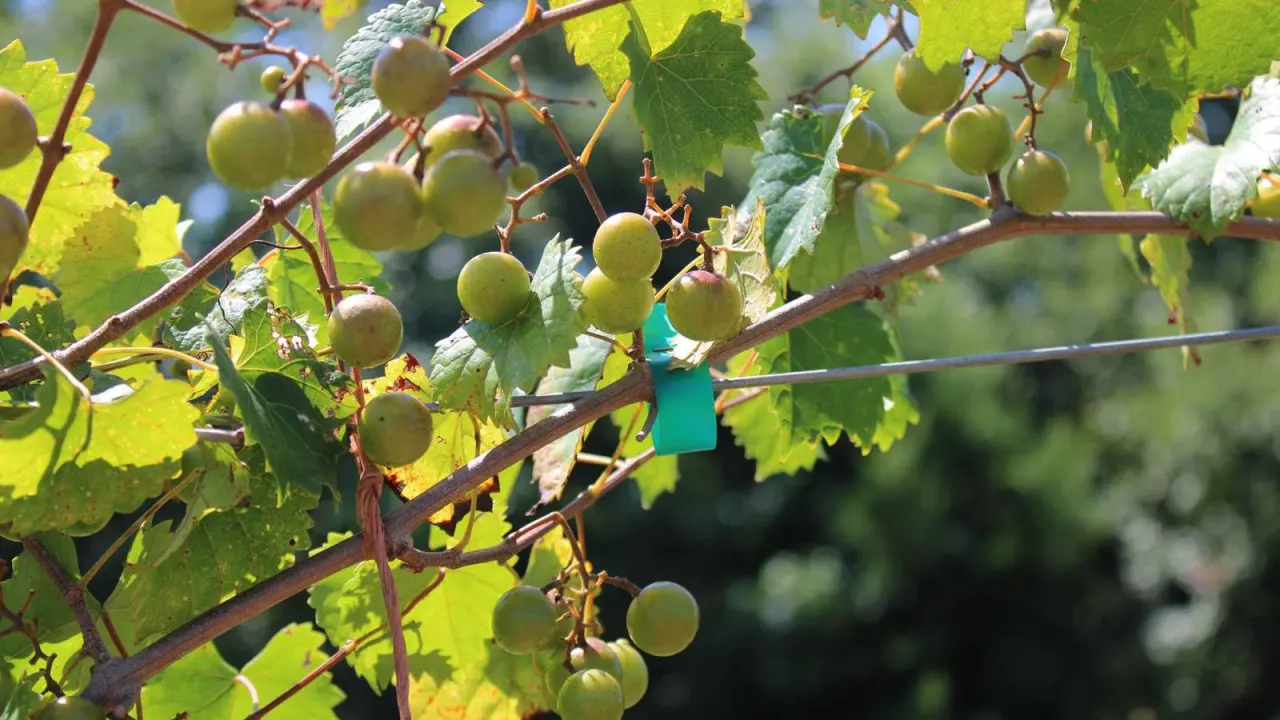
Wondering what muscadine wine Georgia vineyards make actually tastes like? It can be sweet as syrup or dry and crisp, depending on the winemaker. Muscadines are Georgia’s native grape, and the state leads the nation in growing them.
This guide sits within our wider coverage of local food systems.
| Item | Value |
|---|---|
| Georgia’s standing in muscadine production | Leads the nation |
| Muscadine plantings in Georgia | About 1,000 acres |
| Hybrid and European wine grape plantings in Georgia | About 500 acres |
| Publication date of the acreage story | July 11, 2019 |
The figures above come from UGA Extension’s grapes page and a CAES Field Report story. They can change, so check the source before you rely on them.
Why muscadines suit Georgia
UGA Extension says Georgia’s grape and wine industry has traditionally been known for the state’s native muscadine grape. The same page says Georgia leads the nation in producing these grapes and that the climate is well suited to growing them.
Extension describes muscadines as traditionally used for making jams, sauces and wine. That makes the grape a bridge between the kitchen and the winery.
The grape’s toughness is a big part of the appeal. At a 2019 muscadine workshop in Athens, UGA viticulture specialist Cain Hickey said, “Muscadines are a lot easier because of their disease resistance and their tolerance of Georgia’s weather.” He added that they are still a lot of work, but not as risky, according to the CAES Field Report.
European, or vinifera, wine grapes are a different story. The same story calls cultivating them hard work, and a UGA guide on Pierce’s disease warns of the risk of planting vinifera and other intolerant varieties in the mountain regions of northern Georgia.
Extension adds that modern fungicides have recently been used in the successful production of European bunch grapes and French-American hybrids in North Georgia, which has stirred interest in those varieties.
What does muscadine wine taste like?
The honest answer is that it depends on the maker. Matt Johnson, owner of Wolf Creek Plantation Vineyards and Winery in Americus, said muscadine wines can be sweet as syrup but can also be dry and crisp. In his words, it is all about the winemaking process, as reported in the July 11, 2019 Field Report story.
Johnson also pointed out that there are multiple dozens of muscadine varieties, and many have never been explored for winemaking. He argued that Georgia needs more people making muscadine wine if its wines are ever to approach the reputation of vinifera wines.
If you are tasting your way through, these are useful questions to ask a producer:
- Is this bottle made sweet or dry?
- Which muscadine variety went into it?
- Is it a single variety or a blend?
How much land is planted in Georgia grapes?
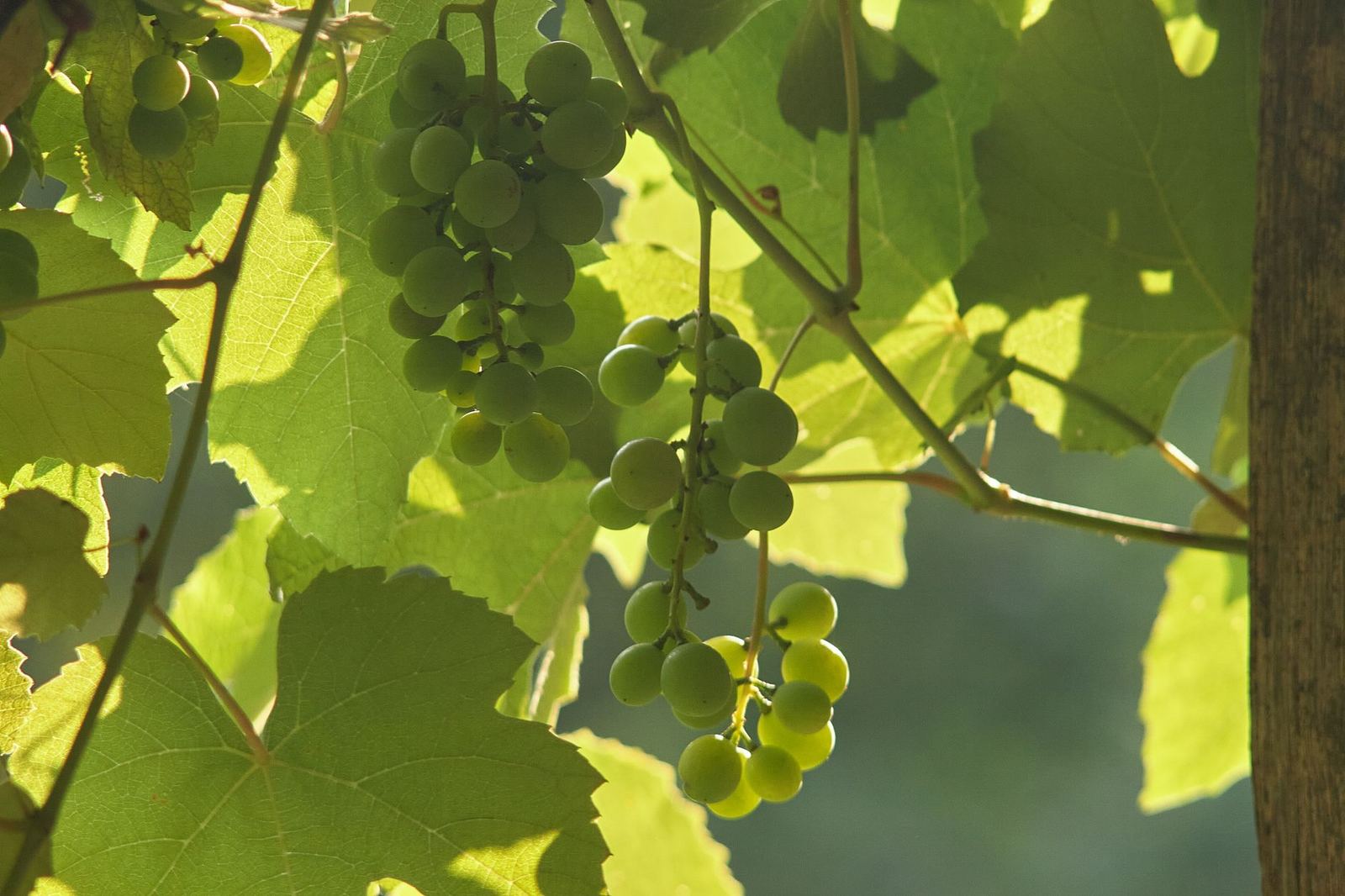
The UGA Farm Gate Value Report, cited in the Field Report story from July 11, 2019, put muscadines at about 1,000 acres across the state. The same story said hybrid and European wine grapes add up to about 500 acres in total.
- Muscadines: about 1,000 acres.
- Hybrid and European wine grapes: about 500 acres combined.
Those numbers are from 2019, so treat them as a snapshot rather than a current count. Newer UGA reports may show different totals.
Growing a muscadine vine at home
A UGA Extension county post dated April 1, 2021 says muscadines do best in full sun for most of the day, which is at least 8 hours. It also says they do not tend to tolerate temperatures below 10°F.
That post gives a simple path for a backyard planting:
- Pick a sunny site with good drainage, since water should not stand there after a heavy rain.
- Avoid low, recessed areas where cool air gathers, known as frost pockets.
- Build a strong trellis. The simplest option is a single wire trellis, and vines may live for decades.
- Check whether your variety is self-pollinating or strictly female, because female vines need a different variety nearby as a pollinator.
- Prune in winter or earliest spring, before the buds swell.
Cold is the main worry in the north of the state. The post says muscadines may be prone to some frost damage in far North Georgia and names Carlos, Magnolia, Nesbitt, Noble and Sterling as five of the most consistently cold-hardy cultivars.
Enjoying muscadines beyond the bottle
The same UGA post calls muscadines delicious in juice, jelly, wine or cobblers. If you bring a batch home from a grower, the planning habits in our guide to farmers market meal prep can help you use it up.
For another Georgia fruit, this walkthrough shows how to freeze peaches.
This site is independent and does not sell wine or take orders. Confirm hours, offerings and any local rules directly with the grower or winery you plan to visit.
Frequently asked questions
Is muscadine wine always sweet?
Show answer
No. Winemaker Matt Johnson told the CAES Field Report in a story published July 11, 2019 that muscadine wines can be sweet as syrup but can also be dry and crisp, depending on the winemaking process.
Does Georgia really lead the nation in muscadines?
Show answer
UGA Extension’s grapes page states that Georgia leads the nation in production of muscadine grapes. The page is undated, so check it for updates.
Can I grow muscadines in north Georgia?
Show answer
With care. A UGA Extension post dated April 1, 2021 says to grow them cautiously in the mountains, foothills and upper piedmont, where winter temperatures below 10°F are likely, and to look at cold-hardy cultivars such as Carlos, Magnolia, Nesbitt, Noble and Sterling.
Do I need more than one vine to get fruit?
Show answer
It depends on the variety. Perfect-flowered muscadines are self-pollinating, while strictly female varieties need a different variety to serve as a pollinator.
When should I prune muscadines?
Show answer
UGA Extension’s county post says pruning should be done in winter or earliest spring, before the buds swell.