Staring at a stall of lumpy tomatoes and unfamiliar greens can leave you unsure. Here is how to choose fresh produce at a farmers market: look, feel and smell each item, then ask the farmer.
This guide sits within the wider topic of fresh produce at farmers markets, and it covers the checks that work stall after stall.
| Item | Key fact |
|---|---|
| Red leaf lettuce in the fridge crisper | Up to one week after purchase |
| Fruits that keep ripening after picking | Peaches, pears, plums, nectarines |
| Fruits to buy already ripe | Strawberries, grapes, cherries, watermelon |
| When to rinse produce | Just before you use it |
| Squash and peppers | Should feel heavy for their size |
These points come from extension guidance such as Texas A&M AgriLife and Oregon State University’s Food Hero. Storage times and advice can change, so check the source before you rely on them.
Look, feel and smell before you buy
Three quick senses do most of the work. Pick up an item and run through the same short routine each time, whatever the crop.
- Look: the skin should be intact and free from holes, and the texture should suit that fruit or vegetable. Some items are naturally smooth and others slightly wrinkled.
- Feel: ripe produce should be firm or slightly soft, depending on the type. Anything soft and mushy is best left behind.
- Smell: ripe fruit smells fresh and often sweet. A weak scent usually means it is not ripe yet, while a moldy, sour or off smell means you should pass.
Also watch for shriveled or wrinkled produce, which is probably past its prime. Items with holes or bruises may be cheaper, but they spoil faster, so buy them only if you can eat them right away.
Packaged items, such as a clamshell of berries, deserve one more check. Excess moisture inside can lead to faster spoilage.
Why does market produce look different from the grocery store?
Grocery produce is usually uniform, while market produce often looks more varied. That variation does not mean the produce is bad, and you may even spot a bit of dirt from the morning harvest.
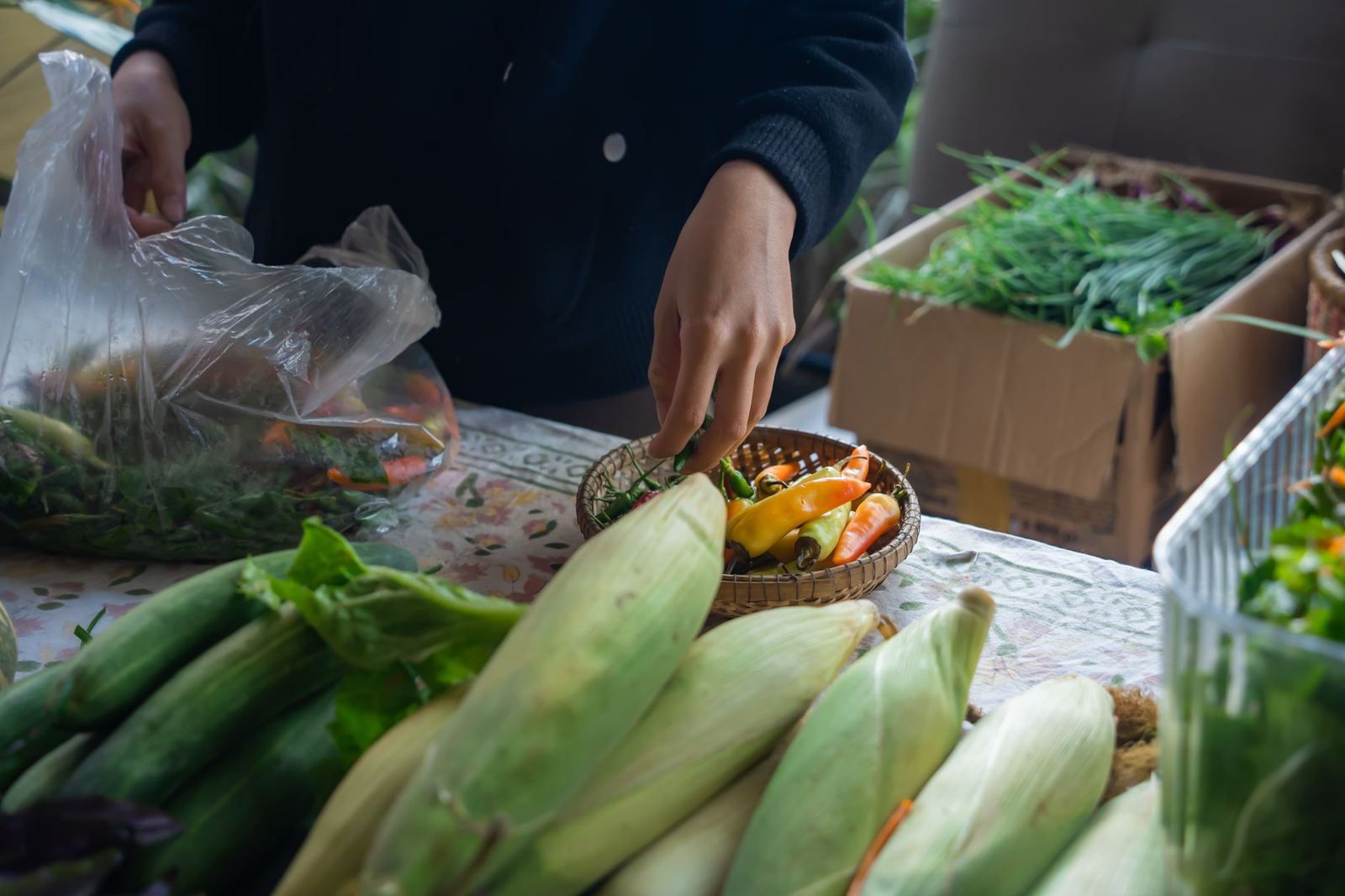
Small farms are also more likely to grow heirloom varieties, which can look very different from the supermarket version. A multicolored pepper or a lumpy tomato can taste great, so judge by firmness, smell and condition rather than by perfect shape.
It also helps to choose a variety of colors. Each color provides different vitamins, minerals and antioxidants, and deep, bright colors are a good sign of a nutrient-rich pick, according to WIC Health.
Which fruits keep ripening after you buy them
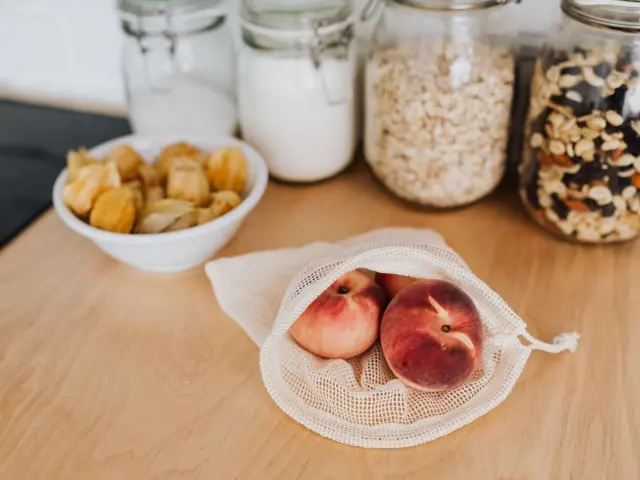
Not every fruit behaves the same after harvest, and knowing the difference saves you from a bag of hard peaches or a tray of berries that never improves. Some fruit continues to ripen at home, so you can buy it slightly underripe if you plan to eat it later in the week.
Oregon State’s Food Hero lists these as fruits that continue to ripen after picking:
- Apricots, nectarines, peaches and plums
- Bananas and plantains
- Kiwi, mango and pears
The same source says these fruits should be bought ripe, because they will not get riper after you bring them home:
- Apples, grapes, cherries and strawberries
- Oranges, tangerines, grapefruit and pineapple
- Watermelon
Different extension sources group a few fruits slightly differently, so treat the lists as a guide and use your nose on the day. If a peach is still firm and has little scent, read how to ripen peaches at home before you decide it was a bad buy.
What to look for in common vegetables
Different vegetables show quality in different ways. These checks come from Texas A&M AgriLife Extension’s market guidance.
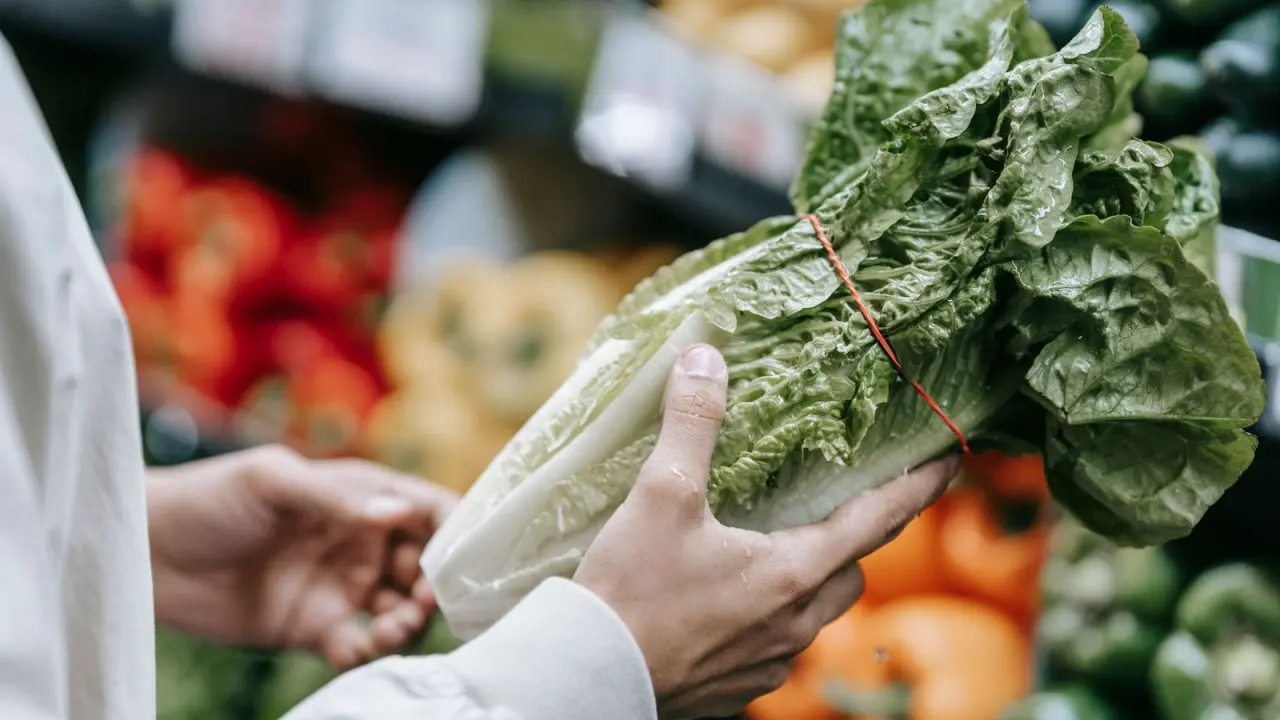
- Lettuce: avoid brown edges, slime or insect damage. Keep it dry and do not wash it until you are ready to eat; red leaf lettuce keeps in a bag in the crisper drawer for up to one week.
- Squash: choose squash that is tender but firm, heavy for its size and fresh looking. Skip dull squash or over-mature squash with a hard, tough surface.
- Tomatoes: look for well-formed, smooth fruit free from blemishes, with rich red color and a slight softness. Avoid tomatoes that are overripe or bruised.
- Peppers: they should have firm walls and feel relatively heavy. Avoid thin walls and soft water spots.
For fruit in general, the advice is simple: pick ripe fruit with good color, and avoid anything overly soft or damaged.
Buy in season and ask the farmer
Buying in-season produce is the best way to get fresh produce at the lowest cost. What counts as in season depends on where you live, and prices can run a little higher at the start and end of a growing season when fewer growers have an item. For local timing, the seasonal produce guide georgia is a useful companion.
When something is out of season, frozen or canned produce is a practical fallback, since it is picked and packaged at peak ripeness.
Then use the person behind the table. If you have a question about a specific item, ask the farmer or market staff. Texas A&M AgriLife’s nutrition specialist Rebecca Dittmar says that if you are concerned about how produce is grown or handled, you should ask, because the farmers should have those answers.
A few planning habits make the trip easier:
- Check beforehand which payment types the market accepts, and carry some cash.
- Shop like a grocery run: shelf-stable items first and cold items last.
- Bring an insulated cooler so cold products stay cold on the ride home.
How should you store produce once you get home?
Good picking is only half the job. The most useful habit is to wait to rinse produce until you are ready to use it, because rinsing early promotes bacterial growth and faster spoilage. If you must store something after rinsing, wrap it loosely in a clean towel to absorb moisture.
Food Hero suggests these storage spots:
- Fridge: apples, berries, oranges, lemons, limes and grapefruits, plus beets, carrots, parsnips and turnips.
- Counter: bananas, kept apart from other produce because they can ripen other fruits, and tomatoes.
- Cool, dry pantry: garlic, onions, potatoes (kept in the dark) and winter squash.
To ripen avocados, kiwi, mangoes or pears, leave them on the counter. Once ripe, move them to the fridge.
Frequently asked questions
Should I buy slightly underripe fruit?
Show answer
Only for fruit that keeps ripening, such as peaches, pears and bananas. Fruit like strawberries, grapes and apples should be bought already ripe, because it will not improve after purchase.
Is oddly shaped or dirty produce a sign of poor quality?
Show answer
No. Produce at farmers markets might look more varied, and that does not mean it is bad. Holes and bruises are different, since they make produce spoil faster.
When should I wash market produce?
Show answer
Rinse it just before you use it. Washing too early can speed up spoilage, and lettuce in particular should stay dry until you are ready to eat it.
Do I need to bring cash to a farmers market?
Show answer
More markets accept different payment types, but not all do. Check beforehand what a market accepts, and carry some cash in case.