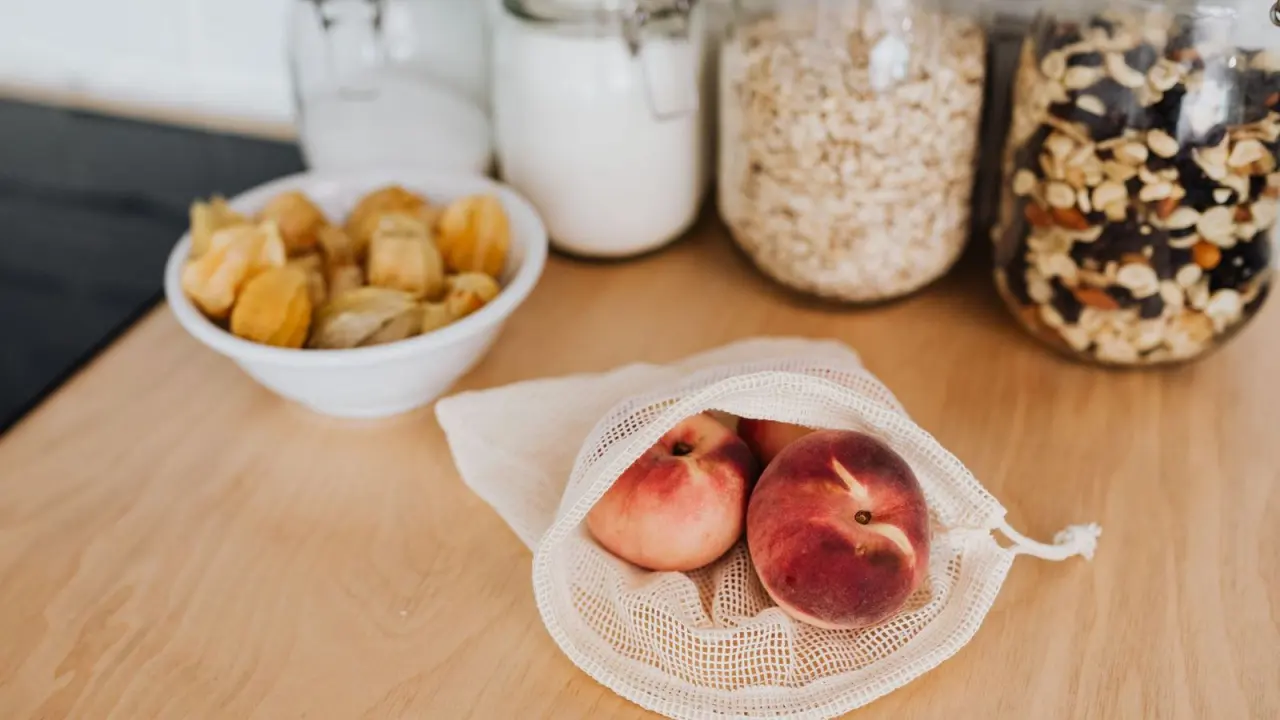
Brought home peaches that feel like rocks? Here is how to ripen peaches at home: fold them into a paper bag at room temperature, and you’ll usually have soft, fragrant fruit in 1 to 3 days.
This guide sits within the wider topic of fresh produce at farmers markets, where peaches are a summer favorite.
| Method or step | Typical value |
|---|---|
| Paper bag at room temperature | Around 1 to 3 days |
| Open counter, no bag | Up to 5 days |
| Napkin wrap | Generally two to three days |
| First ripeness check | After 24 hours |
| Ripe peaches kept in the fridge | Up to a week |
The timings come from The Takeout and PureWow. Ripening speed depends on how under-ripe the fruit was, so the figures can change: check the sources before you rely on them.
Why peaches keep ripening after they are picked
Peaches release ethylene gas, which is responsible for the ripening process. Trap a little of that gas around the fruit and it softens faster, according to The Takeout.
Peaches are what the trade calls climacteric fruit, meaning they continue ripening off the tree. Apples, avocados and bananas are climacteric too, while strawberries, cherries, grapes and citrus fruits are not, as Tasting Table explains.
There is one catch. Peaches picked before the skin around the stem turns from green to yellow will never ripen optimally, so a green shoulder is a warning sign no bag can fix.
The paper bag method, step by step
A paper bag is the fastest way to ripen peaches without special equipment. It holds the gas close, and unlike plastic it lets air move through.
- Pick a paper bag big enough to fold the top down.
- Lay the peaches inside stem-side down in a single layer, with space so they don’t touch one another.
- Fold the top closed and leave the bag at room temperature, out of direct sunlight.
- Check the peaches after 24 hours, then daily until they smell sweet and give slightly.
Handle the fruit gently, because peaches bruise easily. Crowding them can also make them ripen unevenly, so use a second bag rather than stuffing one.
Daily checks matter. Leave the bag too long and you can end up with overripe or rotten peaches instead of ripe ones.
Other ways to speed up the process
The bag is not your only option. Depending on what you have in the kitchen, any of these will work.
- Add an apple or banana. Either fruit also gives off ethylene, so tucking one into the bag speeds things up further.
- Use a towel or napkin bundle. Set the peaches apart on a clean cloth, cover with a second one and tuck the edges under. This is slower, generally two to three days, but PureWow says it often yields sweeter fruit.
- Leave them on the counter. Out of direct sunlight, this can take up to 5 days, according to The Takeout.
- Try a sunny windowsill for the last stretch. It can nudge nearly ripe fruit along, but sunlight can overheat and shrivel peaches, so limit it to a matter of minutes.
The windowsill also tends to attract fruit flies, so only use it when you are home to watch the fruit. Avoid plastic bags, which the UMass Amherst Center for Agriculture, Food, and the Environment does not recommend for peaches, as Tasting Table reports.
How do you know a peach is ripe?
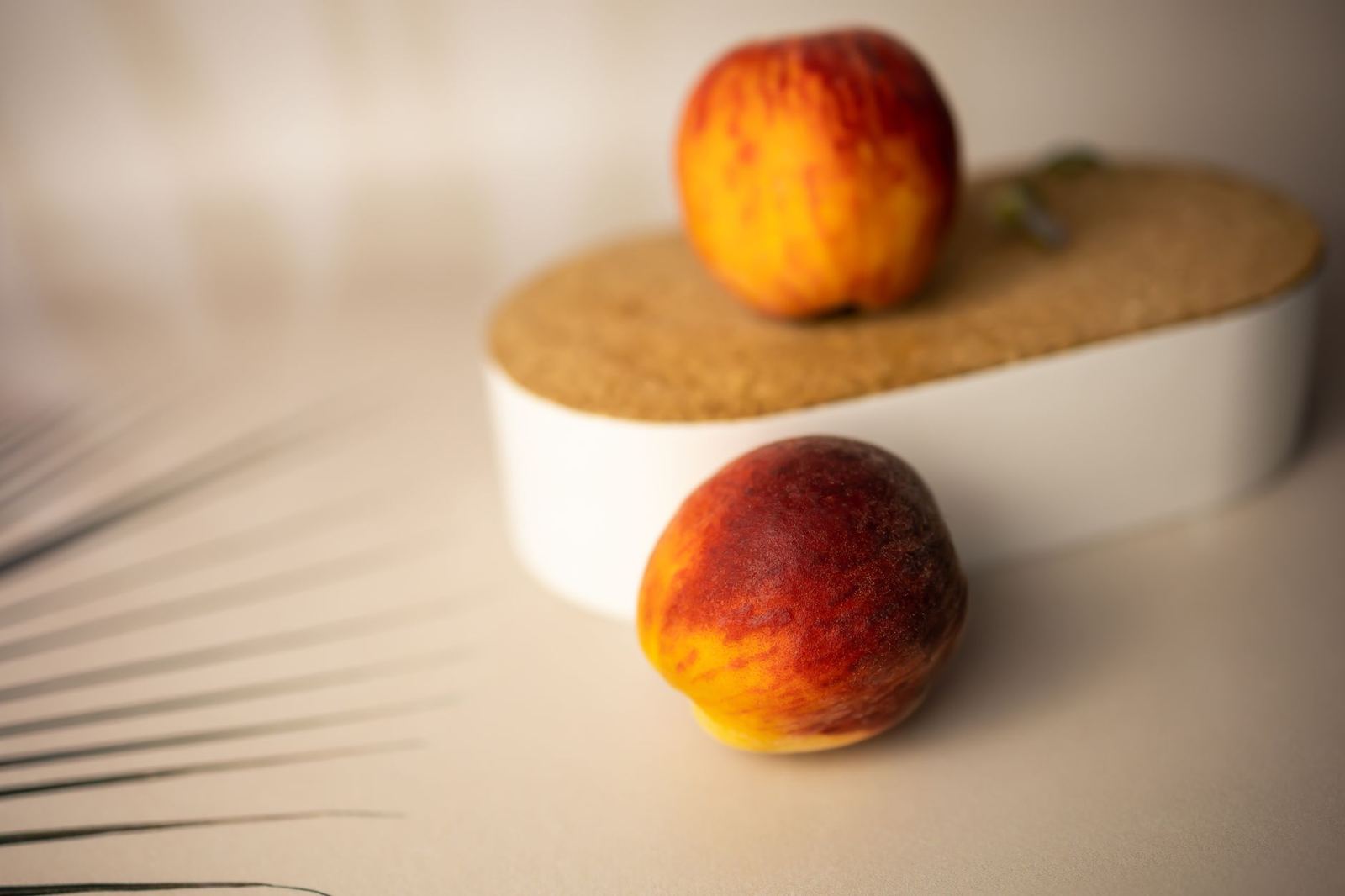
Use your nose and your hand rather than your fingertips. A ripe peach smells fragrant, feels soft to the touch and has no green spots, per The Takeout.
To test softness without leaving dents, hold the peach in your palm and avoid pressing in with your fingertips, a tip Tasting Table credits to Red Wagon Farm. Ripe peaches also look rounder.
Don’t judge by blush alone. Look for a deep yellow ground color, because red skin is not actually a sign of ripeness.
Buying peaches you plan to ripen at home
Ripening at home starts at the stall. If you plan to ripen fruit on the counter, skip peaches that are green around the stem and choose ones with some yellow and a faint peach scent.
It helps to read how to choose fresh produce at a farmers market before you shop, so you know what to look for and which questions to ask the grower.
Buying a mix also works well. Take a few ripe peaches to eat today and a few firmer ones that will be ready over the next days, so you aren’t facing a whole bowl at once.
Keeping ripe peaches at their best
Once peaches are ready, slow the clock. If you won’t use them within 24 hours, move them to the fridge, where PureWow says they stay good for up to a week.
Cold is the opposite of what you want while ripening, since the process takes longest when peaches are stored in the cold. Keep unripe fruit out, and only chill it once it’s ready.
Too many to eat? Freeze them for a future recipe. Peaches are not the only summer crop worth a trip to the stall, so browse these heirloom tomato varieties next.
Frequently asked questions
Can I ripen peaches in the fridge?
Show answer
No. Cold slows ripening, so keep unripe peaches at room temperature and refrigerate them only after they are ripe.
Do I need a paper bag to ripen peaches?
Show answer
No. A towel bundle or an open counter spot both work, although they take longer than a bag, which usually needs around 1 to 3 days.
Will green peaches ever ripen?
Show answer
Peaches picked before the skin near the stem turned from green to yellow will never ripen optimally. Look for yellow at the stem when you buy.
Is a red blush a sign that a peach is ripe?
Show answer
No. Many peaches have reddened skin, but it is not a sign of ripeness. Go by aroma, a gentle softness and a deep yellow color instead.