Bought more at the market than you can eat this week? Knowing how to store fresh vegetables comes down to cold and humid for most, cool and dry for onions and potatoes, and washing just before you cook.
This guide is part of our look at fresh produce at farmers markets, and it covers the fridge, the pantry and the washing question.
| Item | Value |
|---|---|
| Refrigerator temperature | 40° F or less |
| Carrots, refrigerated | 2 to 3 weeks |
| Cabbage, refrigerated in a plastic bag | 1 to 2 weeks |
| Broccoli, refrigerator crisper | 3 to 5 days |
| Asparagus, refrigerator crisper | up to 3 days |
| Best temperature for potatoes | About 50 degrees Fahrenheit |
These figures come from the UConn food safety guide and the NDSU vegetable storage publication. Storage times can change as the sources are revised, so check them before you rely on the numbers.
How to store fresh vegetables: cold and humid for most
NDSU Extension says most fresh vegetables should be kept cold and humid. A plastic bag, the crisper drawer of the refrigerator, or both will raise the humidity around the produce. You can read the full list in the NDSU publication, which was reviewed June 2025.
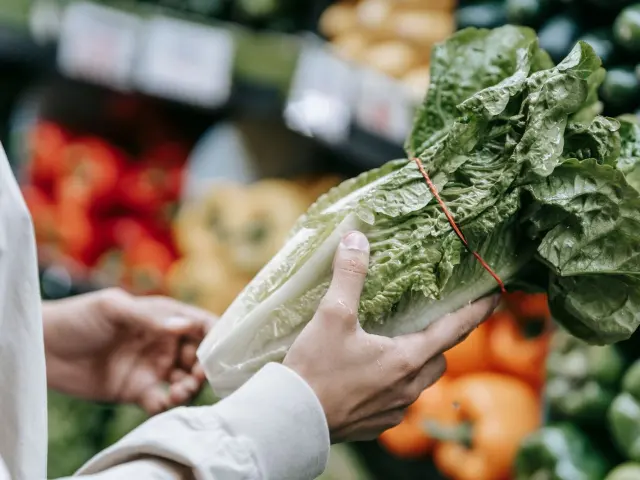
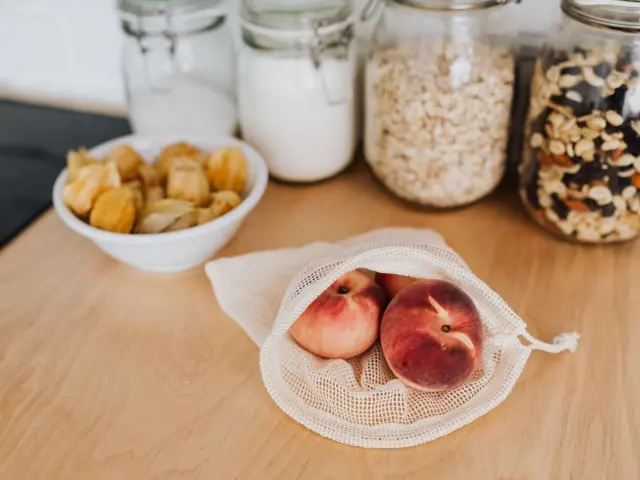
Kansas State’s fact sheet adds a detail about the bag itself. Refrigerated produce does best in a moisture-proof bag with a few holes, which keeps moisture in while letting air circulate and preventing condensation, as the K-State fact sheet explains.
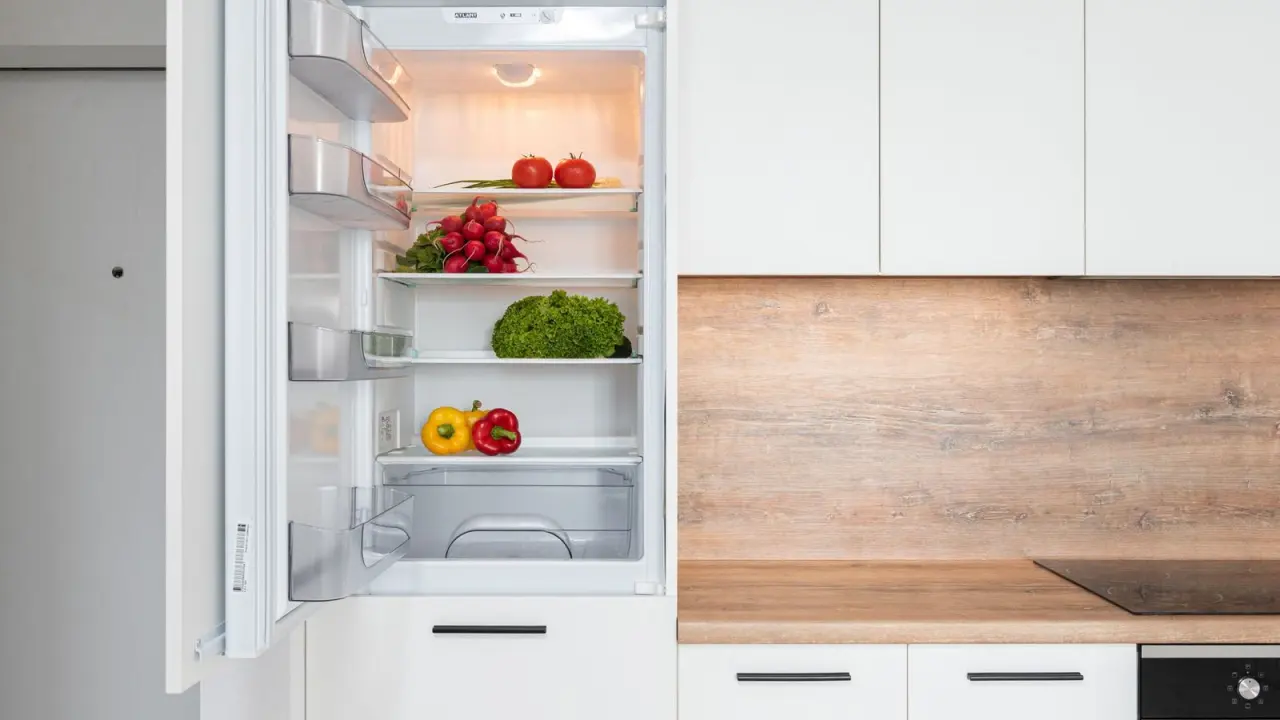
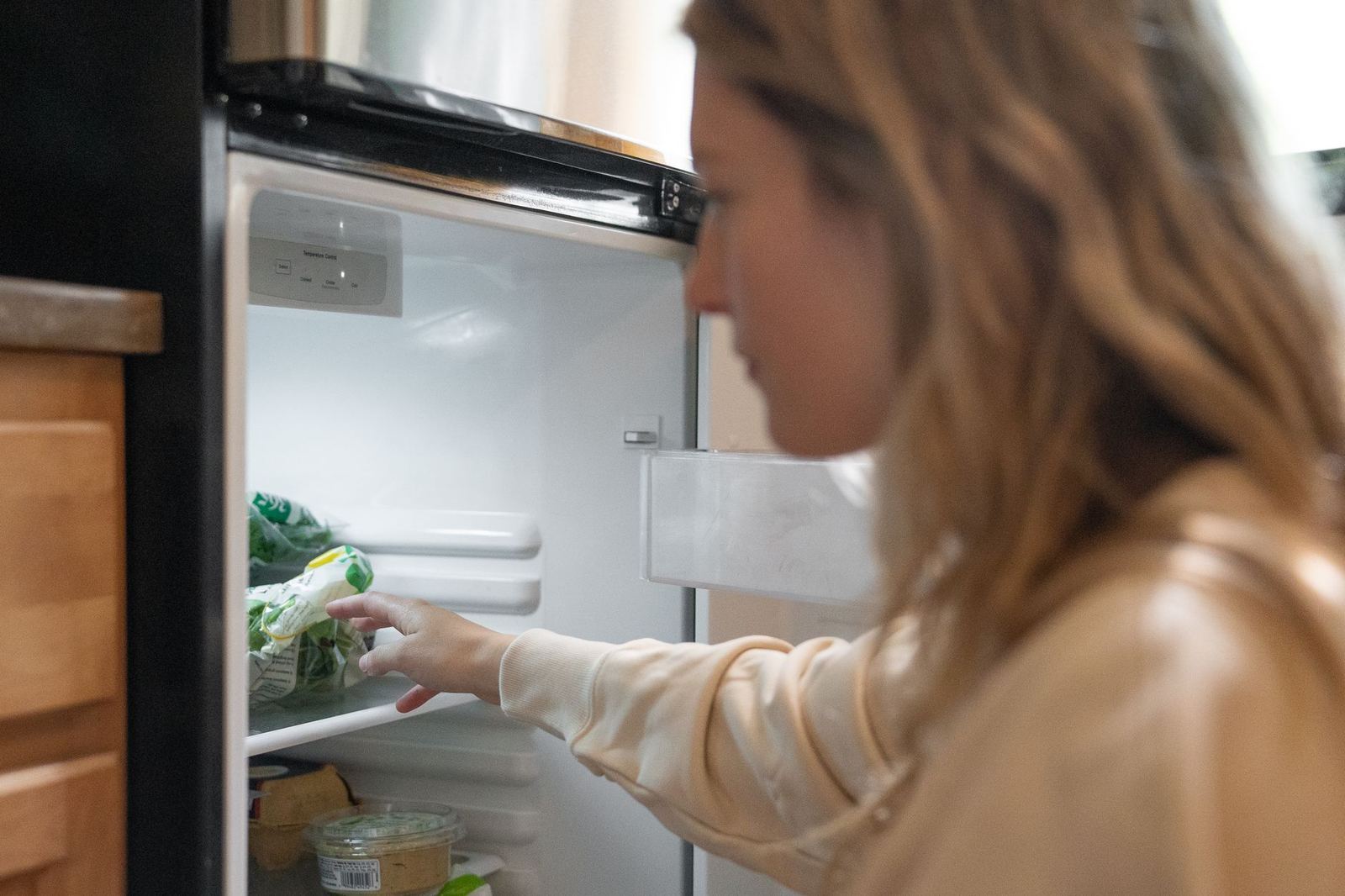
Check your fridge, too. UConn’s guide says to keep the refrigerator at 40° F or less, and to store produce away from, and above, raw meat, poultry or fish, as the UConn food safety page notes.
Which vegetables should stay out of the fridge?
Potatoes, sweet potatoes and hard-shell winter squash are the usual exceptions. NDSU explains that cold temperatures convert their starch into sugar, which changes the flavor. It recommends cool room temperatures, with about 50 degrees Fahrenheit best, and a dark, dry place for potatoes (NDSU).
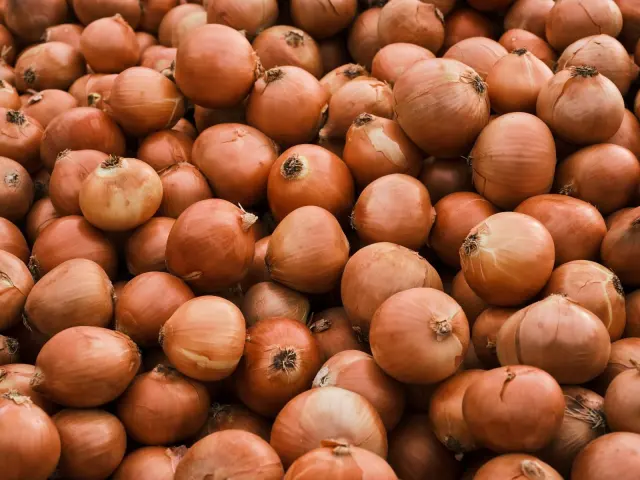
Onions and garlic belong in the same cool, dry spot. Mississippi State Extension suggests a pantry, cabinet or box, away from light where air can get to them, for garlic, onions, potatoes and sweet potatoes, according to its storage guide. UConn adds tomatoes to the list of produce that is of better quality when not refrigerated.
If onions are on your list, you can read about when is vidalia onion season before you plan a big buy.
Should you wash vegetables before storing them?
Ohio State Extension advises not washing produce before it goes in the fridge, because storing it wet promotes the growth of bacteria, as reported on its farmers market storage page. UConn is more open about the trade-off: even experts disagree, since dirt can bring microorganisms into your kitchen while washing can make produce mold and rot faster (UConn).
Whichever way you go, a few habits help:
- If you skip washing, shake, rub or brush off garden dirt with a paper towel or soft brush while still outside.
- If you wash first, dry everything thoroughly with a clean paper towel.
- Leave green beans dry. UConn warns that wet beans develop black spots and decay quickly.
- Never wash berries until you are ready to eat them.
Kansas State recommends washing whole produce under running water just before preparation, and says clean running water is enough with no soap or produce wash (K-State). For the step-by-step version, see how to wash farmers market produce.
How long common vegetables keep in the fridge
Times vary by vegetable and by source, so treat them as ranges. These come from UConn and NDSU.
- Asparagus: up to 3 days in the crisper. Wrap the base of the bunch in a moist paper towel, put it in a plastic bag and refrigerate.
- Broccoli: 3 to 5 days in loose, perforated plastic bags.
- Green beans: UConn says up to 3 days in plastic bags, while NDSU says 1 week stored whole. Use them sooner rather than later.
- Cabbage: 1 to 2 weeks in a plastic bag or film.
- Carrots: 2 to 3 weeks, kept cold and humid. UConn says to remove green tops from root vegetables like carrots and beets before storing.
- Sweet corn: shuck it right away, wrap it in plastic and refrigerate, and eat it as soon as possible.
Leafy tops pull moisture from the root, which is why trimming them helps roots last.
Small habits that keep your crisper working
Storage is partly about what you do before the produce hits the shelf. These steps are drawn from the extension sources above.
- Sort vegetables before storing, and remove any with bruises or soft spots, as NDSU advises.
- Take off rubber bands and twist ties so air can circulate, a tip from Mississippi State Extension.
- Store cut or peeled vegetables in the refrigerator, because Kansas State says they must be kept cold for safety.
- Check stored produce regularly for mold and slime, and toss anything spoiled, per UConn.
- Buy only what you can store and use within the recommended time, which NDSU also recommends.
Following these habits means less waste and better flavor from the vegetables you chose at the market.
Frequently asked questions
Do carrots need to go in the refrigerator?
Show answer
Yes. NDSU says to refrigerate them cold and humid, and they keep 2 to 3 weeks. Remove the green tops before storing.
Can I keep potatoes in the fridge?
Show answer
NDSU says not to. Cold converts starch to sugar and changes the flavor, so keep potatoes in a dark, dry place at cool room temperature.
Should I wash vegetables before putting them away?
Show answer
Ohio State Extension says not to wash before refrigerating, since wet produce promotes bacterial growth. UConn notes experts disagree, so if you do wash, dry the vegetables thoroughly.
Do I need soap or a produce wash?
Show answer
No. Kansas State says clean running water is enough, and you should wash just before preparing the produce.
What should I do if a vegetable shows mold or slime?
Show answer
UConn’s advice is simple: if it is spoiled, toss it out. Check stored produce regularly so one bad item does not affect the rest.